Why Gamification Works (Even for Serious Businesses)
In today’s digital world, where attention spans are measured in seconds, brands face a tough challenge: how to keep people engaged long enough to make an impact. The answer might just lie in something ancient, play.
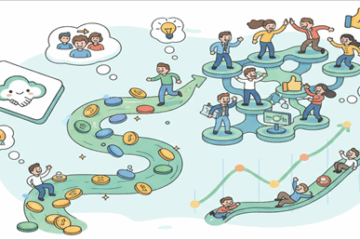
Gamification using game mechanics like challenges, points, and rewards in non-game contexts isn’t just a trend. It’s backed by deep psychological science. When people play, they participate more fully, remember longer, and connect more emotionally. Even in serious business environments, play drives performance.
1. The Science Behind Why We Play
Humans are hardwired to seek achievement and reward. When we complete a challenge, our brains release dopamine, the chemical responsible for pleasure and motivation. That’s why gamified experiences like spinning a wheel, unlocking levels, or earning badges feel satisfying.
Each small win gives users a sense of accomplishment and keeps them coming back. Studies show gamified experiences can increase engagement rates by up to 5x compared to traditional campaigns.
2. The Power of Progress and Reward
Gamification turns passive users into active participants. Instead of filling a form, they earn their way forward.
Take Starbucks Rewards, where customers earn stars with each purchase. It’s a simple loop of progress, reward, and repetition turning coffee buyers into loyal advocates. Similarly, Duolingo keeps millions of learners consistent with streaks and badges, proving that a sense of progress is more powerful than external motivation.
3. Social Validation: Turning Play into Sharing
People love to show off achievements, even small ones. Gamification fuels this instinct by making success shareable.
A user who wins a coupon from a spin-the-wheel game is far more likely to share it than someone who just received a standard discount. That moment of joy becomes content, and the brand becomes part of the conversation.
Businesses using Playly’s game formats often see organic growth through referrals, reposts, and social buzz, all born at the Point of Play (PoP).
4. Serious Business, Serious Results
Gamification isn’t just for consumer brands. B2B tech, finance, and even healthcare companies are using it to simplify complex ideas and humanize engagement.
A Salesforce event once used a gamified quiz to drive participation, increasing booth dwell time by 200% and lead quality by 40%.
When used strategically, play doesn’t trivialize serious brands, it amplifies them.
5. The Playly Perspective: Business at the Point of Play
At Playly, we call it Business at the Point of Play, the moment where engagement, emotion, and intent intersect.
Our platform helps brands design interactive experiences that collect insights, drive conversions, and make audiences want to participate.
Because play isn’t the opposite of work, it’s the fuel that makes connection, learning, and loyalty possible.
Summary:
Why Gamification Works, and What Businesses Can Learn
Gamification works because it aligns with how humans think and feel:
- It rewards curiosity – turning exploration into discovery.
- It builds progress – giving users a reason to return.
- It drives emotion – making experiences memorable.
- It creates data naturally – through voluntary interaction.
In a marketplace overflowing with digital noise, gamified experiences stand out not because they’re flashy, but because they feel human. They invite participation instead of demanding attention.
The future of marketing belongs to brands that know how to make people play, learn, and act, all at once. And those that understand the psychology of play will lead the next wave of meaningful engagement.
Sources:
Starbucks Rewards Program | Duolingo Blog on Gamification | Salesforce AppExchange Blog

0 Comments