In 2026, one thing is becoming increasingly clear: content that invites participation will outperform content that only asks to be watched.
Static content still plays an important role, but it can no longer do all the heavy lifting on its own. Today, attention is earned through involvement, not exposure. That’s why it helps to think of static content as the conversation starter and interactive content as the conversation itself.
This shift from watching to participating is fundamental. And it’s the reason interactive content deserves a central place in every brand’s content strategy going forward.
This isn’t just a creative preference. It’s backed by data.
88% of marketers find interactive content helps differentiate their brand.1
79% plan to increase their use of interactive formats in the future. 2
Brands aren’t experimenting anymore they’re committing.
Static Content Isn’t Going Away! It’s Role Is Changing
This definitely doesn’t mean static content becomes irrelevant in 2026.
Blogs, videos, and visuals will continue to play an essential role in:
- Educating audiences
- Setting context
- Introducing ideas
What’s changing is where their job ends.
Static content is increasingly becoming the entry point, not the endpoint. Once interest is created, interactive content takes over to:
- Deepen engagement
- Personalise experiences
- Help users make decisions
- Encourage repeat visits and actions
In other words, static content opens the door but interactive content keeps people inside.
See how top brands are using interactive content
From Watching to Participating Is Driving 2–3× Higher Engagement
Multiple studies from content and demand-generation research firms show that interactive content consistently delivers 2–3× higher engagement rates compared to static formats.
The reason is simple: interactive content aligns with how people naturally behave online.
When users interact, several things happen at once:
- Curiosity is activated (“What happens if I choose this?”)
- Control shifts to the user, not the brand
- Micro-rewards (results, outcomes, surprises) keep attention flowing
- Feedback loops make the experience feel personal and responsive
This combination creates more than surface-level clicks. It creates meaningful engagement the kind that builds understanding, trust, and recall.
That’s why studies consistently show that people remember brands they’ve interacted with far more than brands they’ve simply seen or read about. Interaction turns exposure into experience.
Why Interactive Content Converts Better
Interactive content doesn’t just engage it educates and converts more effectively.
93% of marketers agree that interactive content is more effective at educating buyers than static formats.3
Education matters, because informed users make confident decisions.
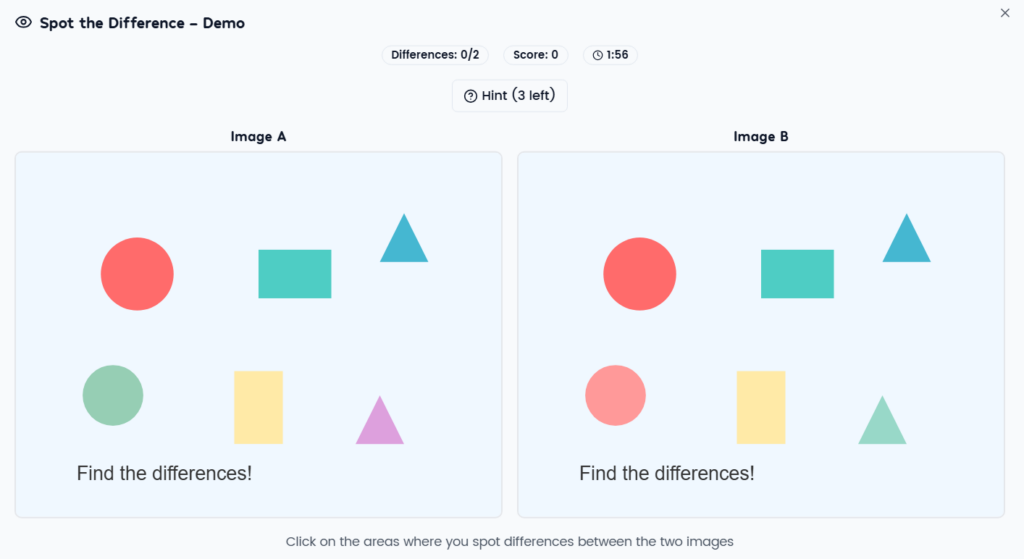
Interactive formats convert better because they:
- Reduce friction by guiding users step-by-step
- Replace generic messaging with personalised outcomes
- Turn “learn more” into “try this”
Instead of asking users to read and decide later, interactive content invites them to participate now. And participation builds intent.
That’s why formats like quizzes, assessments, spin-the-wheel offers, and interactive recommendations consistently outperform static CTAs in conversion-focused campaigns.
Turn your next static asset into an interactive one. No developer needed.
Speed and Simplicity will Define Interactive Content
The success of interactive content is no longer driven by how elaborate an experience looks, but by how effortlessly it fits into a user’s moment. Audiences move quickly between platforms, devices, and formats, and the content that performs best is designed to be understood, completed, and enjoyed within seconds.
This shift is directly reflected in performance metrics. Short, intuitive interactive experiences consistently show higher completion rates, longer average engagement time, and stronger return interactions compared to complex, time-heavy formats. When interaction feels easy, users are more likely to finish the experience and finishing is where impact is created.
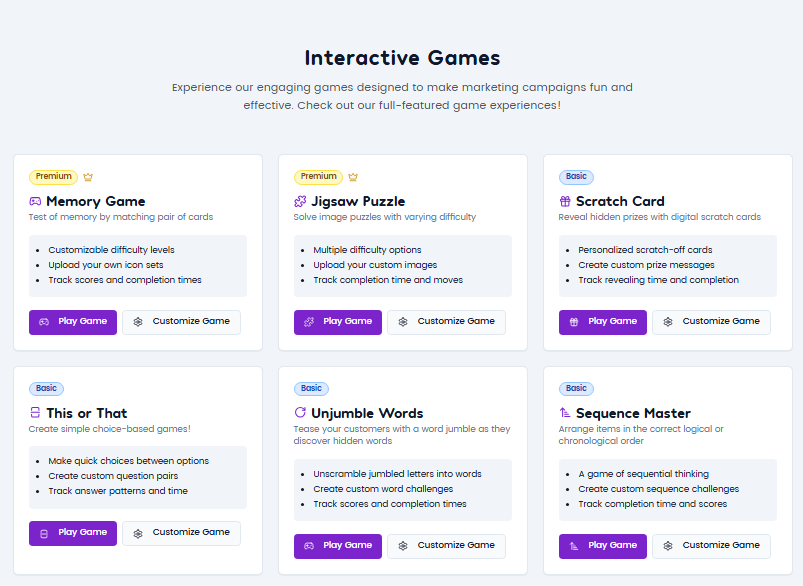
To keep pace with this reality, brands are prioritising speed and simplicity. Our platform, Playly.ai supports this approach by allowing teams to build, test, and iterate interactive content quickly, reducing time-to-launch while maintaining quality and consistency across campaigns.
As interactive content becomes faster to create and easier to consume, it sets the foundation for a broader shift, one where experience design, not volume, defines marketing success. And that shift points directly to the bigger picture of how content strategies will continue to evolve beyond 2026.
The Bigger Picture: How This Will Work in 2026
The future isn’t about creating more content. It’s about creating better experiences.
By 2026, high-performing interactive content will be:
- Shorter, designed for micro-moments
- Mobile-first, built for thumbs, not cursors
- Easily repeatable, encouraging return visits
- Quick to launch, without long production cycles
- Integrated across channels web, email, social, and paid media
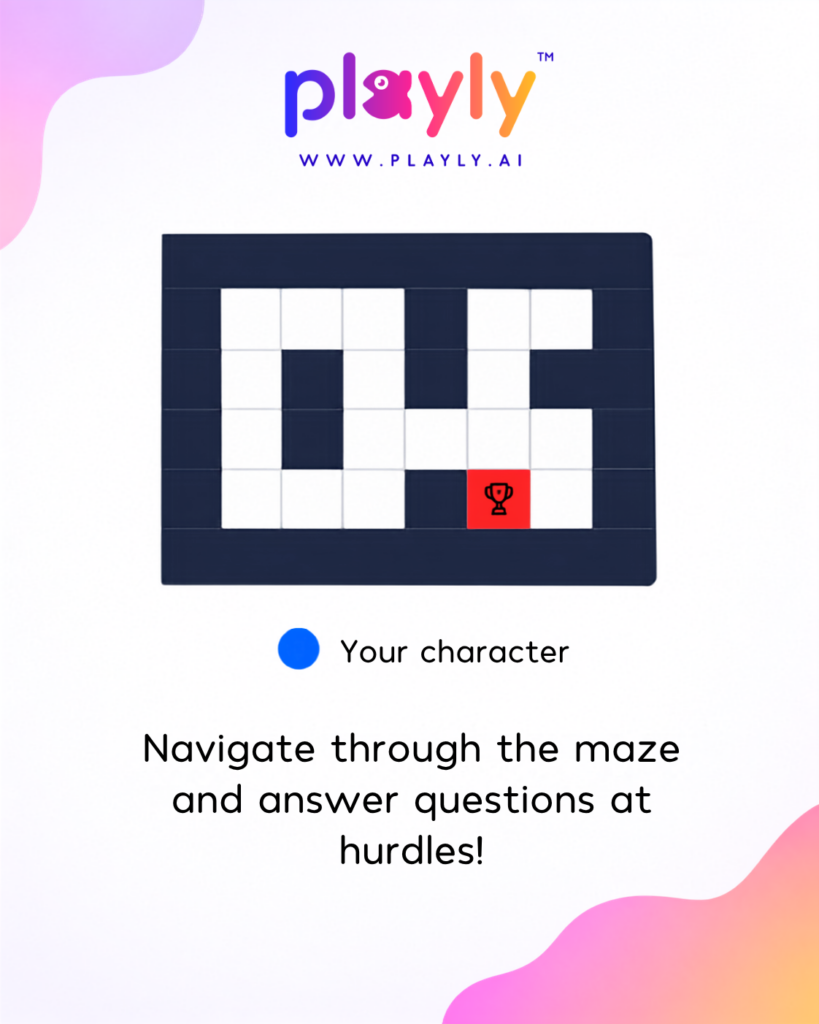
No-code and AI-assisted platforms are already removing traditional barriers, allowing marketers to create interactive experiences almost as easily as they once created landing pages.
What This Means for Marketers
The brands that win in 2026 won’t be the ones producing the most content.
They’ll be the ones creating content that:
- Responds to users
- Adapts to choices
- Rewards participation
- Feels human, not promotional
Interactive content doesn’t interrupt attention it earns it.
Ready to build your first interactive campaign?
FAQs
It involves users in the experience, increasing engagement, recall, and stronger connections compared to passive content.
Elements like choices, feedback, and outcomes keep users involved, driving higher completion rates, longer time spent, and repeat visits.
It guides users step-by-step, personalises outcomes, and encourages participation in the moment, building intent efficiently.
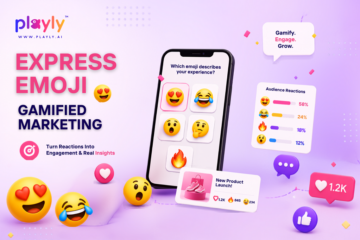
Quizzes, spot the difference, spin-the-wheel, drag-and-drop challenges, express emojis and survey are highly engaging and shareable.
Playly.ai helps marketers quickly build, test, and launch interactive experiences without technical hurdles, improving speed and consistency.
Static content (blogs, videos, images) is consumed passively; interactive content (quizzes, spin-the-wheel, games) requires the user to act, which is what drives the engagement gap.
Claims
More ideas. Less noise.
Get ideas with actual impact from Playly.ai

1 Comment
How to Collect Zero-Party Data with Gamification (GDPR-Safe) · October 9, 2026 at 12:12 pm
[…] Forms are transactional. The brand asks for something, and the user gets nothing back until the very end, if at all. So people skip questions, give up halfway, or pick whichever answer gets them to the submit button fastest. It’s a big part of why interactive content tends to beat static forms. […]