What Is Gamification and Why It Resonates
At its core, gamification involves infusing non-game contexts ─ be it education, marketing, corporate training, or customer engagement. With game design elements like points, badges, leaderboards, progress bars, and challenges, games enhance engagement and help in conversion in a playful manner. This blend taps straight into our human desire for achievement, competition, recognition, and progression.
These elements activate psychological triggers, such as the dopamine-driven reward cycle, which reinforces repeated engagement and effort. Game mechanics makes tasks feel less mundane and more goal-driven ─ whether you’re learning a new skill or completing a simple purchase.
Engagement: Turning Users into Active Participants
In the Workplace Gamification isn’t just about making work “fun” ─ it taps into deep psychological drivers like autonomy, mastery, and purpose. When employees are given challenges, feedback loops, and visible progress markers, their brain’s dopamine reward pathways light up, reinforcing continued engagement.
That’s why a striking 90% of contact center employees report increased productivity when game mechanics are integrated into workflows¹. But the magic lies in how gamification is applied.
For example, some companies use real-time progress dashboards where employees can “unlock” badges for achieving micro-goals ─ turning routine tasks like call resolutions into mini-victories. Over time, this fosters a habit loop where progress chasing becomes second nature.
More broadly, 9 in 10 employees say gamification boosts productivity, and 85% feel more engaged² when immersed in these interactive systems. Interestingly, neuroscience studies reveal that even symbolic rewards (like a leaderboard rise) can release similar motivational neurotransmitters as monetary incentives ─ but at a fraction of the cost.
Another underappreciated area where this approach is more effective is team-based gamification. Individual leaderboards work for competitive personalities and collaborative challenges. By levelling up together, gamification can improve peer-to-peer coaching and create shared accountability. This is particularly powerful in hybrid work environments, where gamification bridges the gap between remote and in-office teams.
At the Consumer Level
On the consumer side, gamification isn’t just about keeping eyes on the screen ─ it’s about creating emotional investment in the brand. Businesses with gamified loyalty programs report a 22% increase in customer retention3, which translates into stronger brand loyalty and repeat purchases. But the reason goes deeper: game mechanics like progress bars in loyalty apps trigger a “Zeigarnik effect” ─ our natural tendency to want to complete unfinished tasks.
Data shows engagement metrics skyrocket:
- 29% higher engagement for gamified websites.
- Gamified content is shared 12× more often.
- Engagement rates often double ─ or even rise 100–150% compared to traditional campaigns3.
What’s less obvious is how scarcity and unpredictability turbocharge these numbers. For example, a coffee chain introducing a “mystery reward” spin wheel saw participation spike because of the variable-ratio reward schedule ─ the same mechanism that makes slot machines so compelling. It’s not just rewards, but the anticipation of rewards that keeps users coming back.
Brands that master this psychology turn passive scrollers into mission-driven participants. When a customer feels like they’re “playing a role” in a journey ─ whether it’s collecting stamps, unlocking secret levels, or building status tiers ─ they’re far more likely to interact repeatedly and advocate for the brand organically.
Conversion: The Business ROI of Gamified Experiences
Engagement alone is a vanity metric if it doesn’t lead to action. The real power of gamification is in moving people from interaction to transaction.
When done well, gamification can deliver up to a 50% increase in conversions3. But this isn’t magic ─ it’s about structuring the user journey so that each action nudges them closer to a decision.
Why Gamification Converts So Well
Gamified sales processes often mimic cognitive biases used in behavioral economics. For instance:
- Goal-gradient effect: Customers accelerate their activity as they get closer to a visible goal, like “2 more purchases to reach Gold Tier.”
- Commitment and consistency principle: Once a user starts collecting points or completing challenges, they feel compelled to maintain their streak to avoid losing progress.
- Loss aversion: Limited-time badges or temporary leaderboard positions motivate quicker action than generic “Buy Now” prompts.
Companies incorporating gamified sales see a 25.3% rise in conversion rates3. In the sales context, adding mechanics like contests and leaderboards can yield a 3.5× boost in commission-driven performance ─ because these elements transform sales from a solitary grind into a high-energy sport.
Beyond the Sale: Post-Conversion Gamification
One overlooked aspect of gamification is post-purchase momentum. The best brands don’t stop the game once the sale is made ─ they use gamified onboarding to ensure customers get value fast. This can drastically reduce buyer’s remorse and churn.
Example: A SaaS platform turned its onboarding checklist into a “quest” where each completed step unlocked exclusive tips and bonus features. Completion rates soared and so did paid plan upgrades ─ because users experienced the product’s value before making the upgrade decision.
Gamification also aids upselling without feeling pushy. If the upsell is framed as the “next level” or “unlocking pro mode,” customers perceive it as progression rather than a hard sell. This subtle framing can make premium tiers feel like a reward rather than an expense.
Final Thoughts
Why Gamification Works So Well?
At its best, gamification transforms routine experiences into rewarding engagements. It:
- Hooks intrinsic motivation through achievement, progress, and recognition.
- Boosts engagement across education, training, workplaces, and consumer contexts.
- Drives meaningful conversion and revenue through behavioral nudges.
- Scales effectively, evidence by strong adoption and market growth.
- Supports learning and retention, especially with inclusive and neurodiverse design.
- Fosters measurable behavioral change, even in enterprise and fitness domains.
A Balanced View
However, gamification is not a one-size-fits-all silver bullet. To succeed, it must:
- Align with user goals and motivations.
- Be integrated with meaningful feedback ─ such as coaching and performance insights.
- Be inclusive, thoughtful, and sensitive to user differences and behavioural risks.
Frequently Asked Questions About Gamification, Engagement, and Conversion
Gamification is the use of game elements like points, badges, leaderboards, and challenges in non-game contexts such as marketing, training, or customer engagement. It works by tapping into human motivations like achievement, competition, recognition, and progress, triggering dopamine-driven reward cycles that encourage repeated interaction.
In the workplace, gamification boosts engagement by giving employees clear goals, instant feedback, and visible progress markers. Studies show that 90% of contact center employees report higher productivity with gamification, and 85% feel more engaged when interactive systems are in place.
Gamification deepens customer engagement by creating emotional investment in a brand. Game mechanics such as progress bars, challenges, and mystery rewards trigger psychological effects like the Zeigarnik effect and variable-ratio rewards, making customers more likely to return and interact repeatedly.
Data shows gamified websites see 29% higher engagement, gamified content is shared 12× more often, and engagement rates can rise 100–150% compared to traditional campaigns. Gamified loyalty programs can also increase customer retention by 22%.
Gamification increases conversions by guiding users through a structured journey that uses behavioral triggers like the goal-gradient effect, commitment and consistency, and loss aversion. This can lead to up to a 50% increase in conversions and a 25.3% rise in sales performance.
Post-purchase gamification uses game mechanics after a sale to reinforce product value and encourage upselling. Examples include gamified onboarding checklists that unlock rewards, reducing churn and increasing premium upgrades by framing them as “next levels” instead of hard sells.
Key principles include the Zeigarnik effect (drive to finish incomplete tasks), goal-gradient effect (accelerated action near a reward), loss aversion (fear of losing progress), and variable rewards (unpredictable incentives). These principles create a cycle of anticipation and achievement that sustains engagement.
Effective gamification aligns with user goals, integrates meaningful feedback, remains inclusive, and avoids manipulative mechanics. It should balance fun with value, ensuring the experience feels rewarding rather than gimmicky.
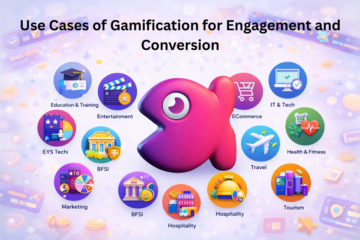
Industries such as retail, SaaS, education, fitness, and corporate training benefit greatly from gamification. It drives higher engagement, stronger loyalty, better learning outcomes, and measurable ROI in both B2B and B2C contexts.
Yes. Individual leaderboards work for competitive personalities, while team-based challenges foster collaboration, peer-to-peer coaching, and shared accountability ─ especially useful in hybrid or remote work environments.
0 Comments